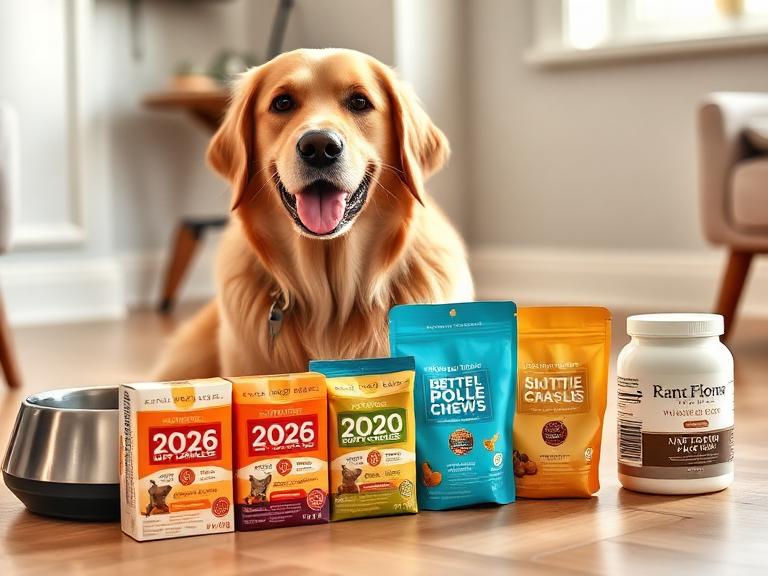
We all know that feeling when our furry best friend isn’t feeling their best. Maybe it’s the ominous gurgle from their stomach at 3 a.m., the refusal to eat breakfast, or the not-so-pleasant gas that clears the room. Whether you live in a bustling city or a quiet suburb, the love for our dogs is universal.
As dog parents in 2026, we are more aware than ever that a happy dog starts from the inside out. The conversation around pet health has shifted dramatically, and gut health is now center stage.
Probiotics for dogs are no longer just a niche supplement; they are a staple in the pet care routine of millions of owners worldwide. With so many options hitting the market—from powders and capsules to tasty chews—it can feel overwhelming to choose the right one. That’s why we’ve done the digging for you.
Welcome to your go-to guide for the top dog probiotic products to review in 2026. We’re not just looking at labels; we’re looking at what’s new, what’s effective, and what your vet wants you to know.
Why 2026 is the Year of the Microbiome
Before we jump into the products, let’s talk about why probiotics are such a hot topic. Recent studies have confirmed what holistic vets have been saying for years: probiotics do more than just help with digestion. They can influence everything from glycemic response and systemic inflammation to even hormonal regulation.
In fact, the link between the gut and overall health is so strong that experts note 70-90% of the immune system is based in the gut. This means that a balanced microbiome is your dog’s first line of defense against illness. It plays a role in managing allergies, skin conditions, anxiety, and even bad breath.
The trend this year is the rise of “synergistic” formulas—products that combine prebiotics (food for the good bacteria), probiotics (the good bacteria themselves), and postbiotics (the beneficial compounds the bacteria produce).
Top Dog Probiotics to Watch in 2026
Based on veterinary guidance and the latest trends in formulation, here are the standout products you should consider this year.
1. Best Overall: Nutramax Proviable-DC Digestive Health Supplement
If you want a product that ticks all the boxes—research-backed, well-known, and effective—Nutramax Proviable-DC remains the gold standard heading into 2026. This veteran pick is a favorite among vets for a reason.
- The 2026 Review: It contains seven strains of bacteria (on the higher end of most formulas) and prebiotics to help those good bugs flourish. With 5 billion CFUs (colony-forming units), it hits the sweet spot recommended by veterinarians (between 1 and 10 billion CFUs).
- Best For: Dogs with short-term or chronic GI problems, or as a daily maintenance supplement.
- Day-to-Day Life Hack: It comes in capsules, but if your dog is a master of spitting out pills, simply pull the capsule apart and sprinkle the tasteless powder over their food. It’s also safe for cats, so no need for separate products in a multi-pet household.
2. Best New Trend (Pre+Pro+Post): Glandex Daily Prebiotic & Probiotic Soft Chews
Vetnique, the makers of the famous Glandex anal gland supplement, have revolutionized their line with a new all-natural soft chew that is taking 2026 by storm.
- The 2026 Review: These flavor-packed chews are vet-formulated and designed to significantly improve digestive health and immune function. They pack 5 high-quality probiotic strains, a dual-prebiotic blend, and digestive enzymes.
- Best For: Dogs who need comprehensive support, especially those with a history of anal gland issues or seasonal allergies.
- Day-to-Day Life Hack: Consistency is key. Because these are tasty chews, dogs think they’re getting a treat, making daily dosing a breeze rather than a battle.
3. Best for Chronic Issues & High Potency: Visbiome Vet Advanced GI Care
For dogs facing more serious challenges like Inflammatory Bowel Disease (IBD) or chronic diarrhea, a standard probiotic might not cut it. That’s where the “heavy hitters” like Visbiome Vet come in. Formerly known as VSL#3, this is a medical-grade option.
- The 2026 Review: It boasts an incredibly high potency (tested at 225 billion CFUs per packet). While high numbers aren’t always necessary for healthy dogs, for specific GI conditions, this level of targeted bacteria has been clinically shown to reduce inflammation and restore gut balance.
- Best For: Dogs with veterinarian-diagnosed chronic GI diseases.
- Day-to-Day Life Hack: It requires refrigeration to maintain potency, so it’s not ideal for travel. However, it can be kept at room temperature for a short period, which is handy for trips to the vet. Be prepared for the cost—it’s an investment in your dog’s health.
4. Best Powder for Picky Eaters: Vital Planet Flora Dog Probiotic
Sometimes, chews are too flavorful, and capsules are too suspicious. For the picky pooch, an unflavored powder is your secret weapon. Vital Planet Flora is a standout in this category for 2026.
- The 2026 Review: This formula provides 20 billion CFUs and includes all the major expert-recommended bacteria strains. It also carries the NASC Quality Seal, a marker of a reputable manufacturer that undergoes quality audits.
- Best For: Dogs who turn their nose up at medicated treats or owners who want to mix supplements into a homemade meal.
- Day-to-Day Life Hack: Because it’s unflavored, it mixes invisibly with wet food, bone broth, or even water. If your dog is on a restricted diet due to allergies, a simple powder like this minimizes the risk of introducing a new allergen.
5. Best for Puppies: Doggie Dailies Puppy Probiotics
Puppies have developing digestive systems, and they face unique stressors—leaving their mother, new environments, and starting vaccines. Doggie Dailies has formulated a soft chew specifically for these little ones, which is a trend we love seeing in 2026.
- The 2026 Review: These chews contain a carefully measured 500 million CFUs—a safe, more appropriate dose for a small, developing gut. But the real magic is the inclusion of digestive enzymes like protease and amylase, which help break down food and ease the transition to solid kibble.
- Best For: Puppies from weaning age up to about a year old.
- Day-to-Day Life Hack: Use these during puppy training classes or vet visits. Stress can cause “stress colitis” (loose stools) in pups. Giving a probiotic chew beforehand can help stabilize their gut and keep those potty-training wins on track.
How to Choose the Right Probiotic in 2026
The market is flooded with options, but here’s a simple checklist to help you navigate:
- Look for Specific Strains: Don’t just buy a product that says “contains probiotics.” Look for named strains like Enterococcus faecium, Bifidobacterium longum, or Lactobacillus acidophilus. These have been studied and shown to have specific benefits for dogs.
- Check the CFU Count (and Expiration Date): Aim for 1 to 10 billion CFUs for general maintenance. But more important than the number at manufacture is the number at the time of use. Ensure the product guarantees potency through the expiration date.
- Consider Your Climate: If you live in a hot and humid environment, look for products labeled as heat-stable or those that do not require refrigeration to ensure they survive the supply chain and storage in your home.
- Don’t Forget the Prebiotics: Probiotics are the seeds; prebiotics are the soil and water. A product that includes prebiotics (like inulin or fructooligosaccharides) helps the good bacteria colonize and thrive once they reach the gut.
FAQs:
Q: How do I know if my dog actually needs a probiotic?
A: Common signs include intermittent or consistent diarrhea, constipation, excessive gas, changes in appetite, or general “tummy troubles.” They are also highly recommended during or after a course of antibiotics to replenish the good bacteria that get wiped out.
Q: Can I give my dog yogurt as a probiotic?
A: Plain yogurt can be a healthy snack, but it’s not the most effective probiotic. Many dogs are lactose intolerant, and yogurt doesn’t contain the high, targeted concentrations of canine-specific bacteria that a supplement does. If you do give yogurt, ensure it is plain, with no xylitol (an artificial sweetener that is toxic to dogs).
Q: How long does it take for probiotics to work?
A: It varies. For acute issues like a mild bout of diarrhea, you might see improvement in a few days. For chronic conditions, allergies, or general wellness, vets recommend giving it a solid 4 weeks to see noticeable results.
Q: Can probiotics help with my dog’s itchy skin?
A: Yes! This is one of the most exciting benefits. Because the immune system is largely in the gut, a healthy microbiome can help regulate the body’s inflammatory response to allergens, which often manifest as itchy skin and hot spots.
Q: Are there any side effects?
A: Some dogs may experience mild bloating or gas when first starting probiotics as their gut flora adjusts. This usually subsides quickly. If symptoms worsen, stop the supplement and consult your vet.