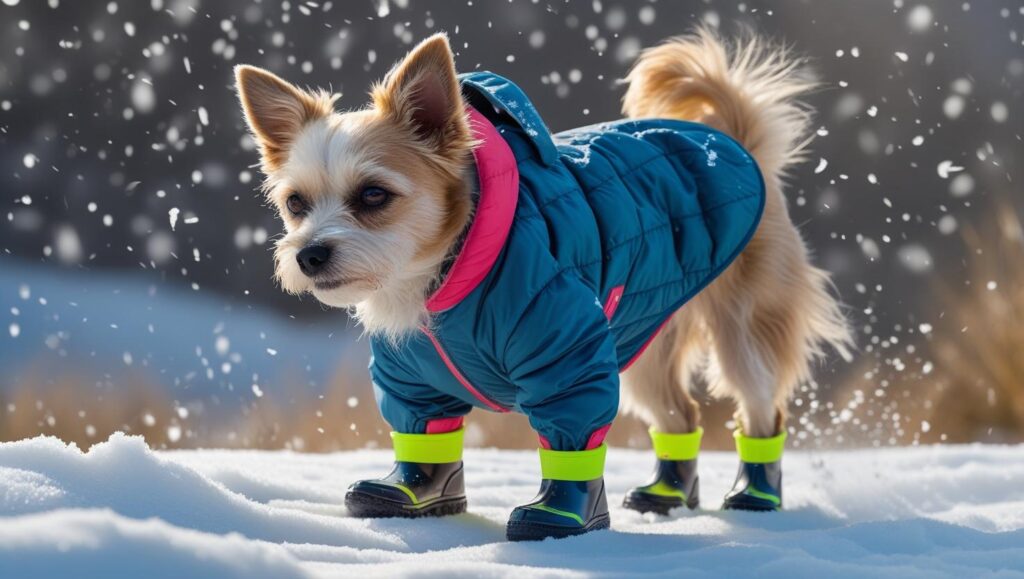
Pets rely entirely on humans for protection when the weather turns extreme. They can’t regulate temperature the way we do—no shedding layers in the summer, bundling up in the winter, or relocating to safer shelter on their own. That’s why it’s crucial to be fully prepared to protect your pet during heatwaves, snowstorms, thunderstorms, floods, and natural disasters.
This comprehensive guide includes:
- Early warning signs of weather-related illness or distress
- Practical protection and prevention strategies
- Useful product recommendations
Emergency planning tips for disasters
Extreme Heat: Preventing Heatstroke
High temperatures are a leading cause of preventable pet deaths during summer. Even short exposure to direct sun, hot pavement, or enclosed cars can trigger heatstroke, which is life-threatening.
Heatstroke Warning Signs
| Symptom | Emergency Level | Action |
| Heavy panting | Moderate | Move to shade, offer cool water |
| Bright red gums | Severe | Cool with wet towels immediately |
| Collapse | Critical | Seek emergency veterinary care |
5-Step Cooling Protocol
- Move the pet indoors or into an air-conditioned area
- Apply cool (not cold) water to the paws, groin, and belly
- Offer water with added electrolytes like Pedialyte
- Use a cooling vest like the Ruffwear Swamp Cooler
- Monitor your pet’s body temperature
- Normal range: 101°F to 102.5°F
- Danger zone: Over 104°F
Pro Tip: Freeze a Kong toy filled with wet food for a cooling, long-lasting treat.

Freezing Weather: Hypothermia and Frostbite Prevention
In winter, pets are vulnerable to hypothermia, frostbite, and chemical burns from ice melt. Even thick-coated breeds can suffer in prolonged cold.
Winter Gear Comparison
| Item | Best For | Top Pick |
| Insulated Jacket | Short-haired breeds | Hurtta Extreme Warmer |
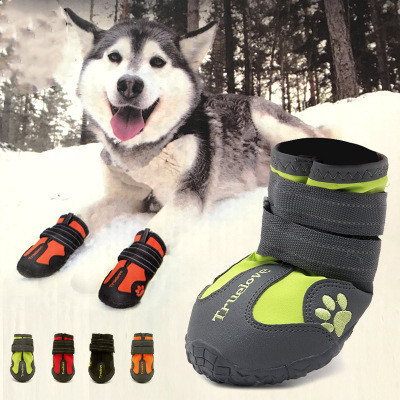
| Waterproof Boots | Ice and salt protection | Muttluks All-Weather Boots |
| Snood | Ear and neck warmth | Canada Pooch Fleece Snood |
Paw Care Routine
- Before walks: Apply paw wax to create a barrier
- During walks: Check for ice buildup between toes
- After walks: Wash paws with warm water
- Weekly: Trim the fur between the toes to reduce ice accumulation
Frostbite Warning: If you notice pale or grayish skin on ears, tail, or paws, warm the area gradually using lukewarm (not hot) water. Do not rub the area, as it may damage tissue.
Storms & Floods: Stress and Safety Preparedness
Thunderstorm Anxiety Toolkit
Many pets—especially dogs—suffer from severe anxiety during thunderstorms. Use this kit to help reduce stress:
- Thundershirt or pressure wrap to reduce anxiety
- White noise machines or calming music to mask sounds
Safe den or crate lined with blankets in a quiet room
Flood Preparedness Checklist
Floods can happen suddenly, and evacuation may be necessary. Here’s what you’ll need:
- Life jacket (e.g., Outward Hound Granby)
- Waterproof or hard-sided carrier
- Elevated sleeping pad to keep pets off wet floors
- Water purification tablets or portable filters
Disaster Preparedness: The Ultimate Pet Emergency Kit
Natural disasters—such as wildfires, hurricanes, or power outages—often strike with little warning. Preparing an emergency kit for your pet is as important as preparing one for yourself.
Essential Supplies
Basic Survival Needs
- 3+ day supply of food and water
- Canned food preferred (longer shelf life)
- Manual can opener
- Collapsible bowls
Medications (2-Week Supply)
- Include all prescription meds, flea/tick preventatives, and heartworm treatments
- Rotate to prevent expiration
Medical & Vaccination Records
- Store printed copies in a waterproof bag
- Keep digital backups on a USB or cloud drive
- Include: rabies certificate, microchip info, vet contact
Sanitation Supplies
- Collapsible litter box for cats (or disposable roasting pans)
- Poop bags, scoop, disinfecting wipes
Visibility & Restraint
- Glow-in-the-dark leash and reflective harness
- Extra ID tags and microchip registry information
Comfort Items
- Blanket, familiar toy, or an unwashed T-shirt with your scent
- Helps ease anxiety during relocation or shelter stays
First Aid Kit
- Gauze pads, antiseptic wipes, tweezers, saline, digital thermometer
- Pet-safe pain relievers (ask your vet what to include)
FAQs: Quick Answers to Life-Saving Questions
Q: How long can pets safely stay in cold cars?
A: Zero minutes. Cars act like refrigerators. Even short stops can lead to dangerous drops in body temperature.
Q: Are some breeds more at risk during extreme weather?
A: Yes:
- Heat-sensitive breeds: Bulldogs, Pugs, Shih Tzus (flat-faced breeds)
- Cold-sensitive breeds: Chihuahuas, Greyhounds, and hairless breeds
Q: Can I use human sunscreen on pets?
A: No. Human sunscreens often contain zinc oxide, which is toxic to pets.
Q: Can cats get frostbite or heatstroke too?
A: Absolutely. Cats may hide symptoms longer, but they are just as vulnerable—especially if outdoors.
Final Thoughts
Extreme weather is becoming more frequent and severe, and our pets depend entirely on us to keep them safe. Whether it’s a blazing heatwave, a bone-chilling blizzard, or a sudden natural disaster, a little preparedness goes a long way.
Know the signs. Stock up early. And never assume your pet will “figure it out.”
Preparedness saves lives.