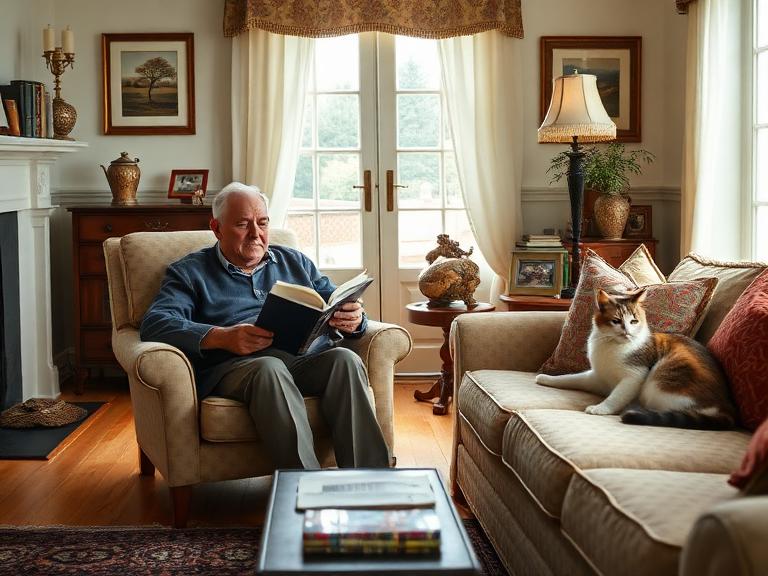
The decision to adopt a senior animal transcends mere compassion; it is an informed choice that aligns with practical and emotional considerations for a discerning adopter.
1. Established Behavioral Parameters: Unlike juvenile animals, senior pets present with fully formed temperaments, known energy levels, and solidified behavioral patterns. The adoption profile detailing a “calm, affectionate” disposition is a reliable assessment, not a speculative projection. This allows for a harmonious match based on compatibility, significantly reducing the potential for mismatched expectations.
2. An Immediate and Reciprocal Bond: The foundational work of house-training, basic obedience, and socialization is typically complete. The relationship between adopter and pet can thus commence at an advanced stage, centered on mutual companionship rather than remedial training. The gratitude exhibited by a senior animal provided with comfort and security in its later years is frequently noted as a singularly moving aspect of the experience.
3. Alignment with a Tranquil Lifestyle: For individuals whose lifestyles are characterized by stability and quietude—such as empty nesters, retirees, or professionals with home-centric routines—the moderate exercise needs and composed demeanor of a senior pet offer an ideal synergy. These animals provide consistent, low-demand companionship, effectively mitigating solitude without imposing strenuous care obligations.
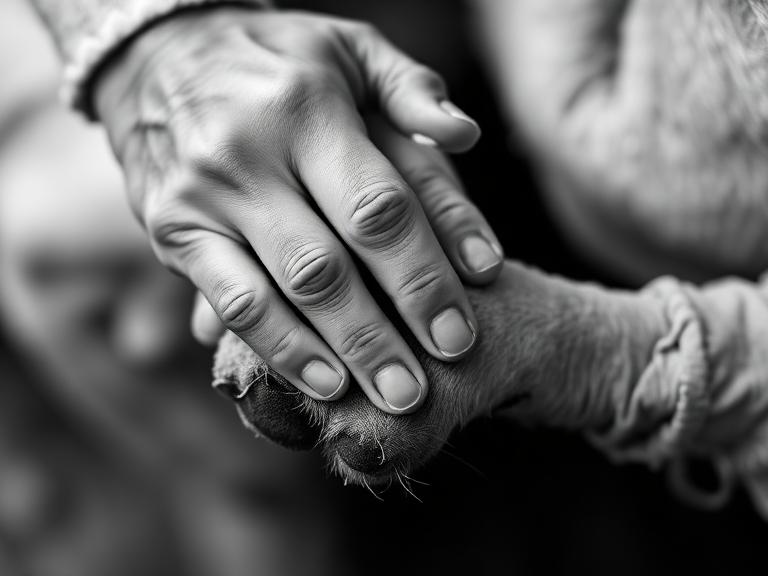
The Empty Nester and Senior Pet: A Synergistic Relationship
The transition to an empty nest often precipitates a re-evaluation of domestic life and companionship. Senior pet adoption presents a mutually beneficial solution to this life stage.
- Complementary Rhythms: The decreased pace of daily life post-child-rearing aligns seamlessly with the care profile of a senior animal. Leisurely walks and quiet evenings replace the exigencies of a high-energy puppy or kitten.
- Purposeful Nurturing: The act of providing attentive care fulfills a nurturing instinct, while the tangible gratitude of the animal offers immediate emotional reciprocity. This dynamic can enrich daily routines with structure and meaning.
- Focused Companionship: A senior pet often seeks a singular, close bond, offering dedicated companionship that resonates with individuals acclimating to a quieter household.
Addressing Primary Concerns: Longevity and Healthcare
A principled discussion of senior pet adoption necessitates addressing the predominant reservation: the anticipated shorter duration of ownership and associated healthcare considerations.
On the Matter of Longevity: While the temporal commitment may differ from that of a juvenile animal, the qualitative depth of the bond is paramount. Adopting a senior pet is a conscious commitment to providing excellence in an animal’s later life—a gesture of profound kindness. Furthermore, with advancements in veterinary medicine and dedicated care, many senior pets enjoy several years of robust health and vitality.
A Framework for Responsible Senior Pet Care: Proactive and informed stewardship is essential for ensuring the well-being of a senior companion.
- Veterinary Partnership: Biannual veterinary examinations, inclusive of comprehensive blood panels, are non-negotiable. This facilitates the early detection and management of age-related conditions such as renal insufficiency, thyroid dysfunction, or arthritis.
- Environmental Accommodations: Prioritize physical comfort through orthopedic bedding, non-slip flooring, and assistive devices like ramps or steps to mitigate joint stress.
- Tailored Nutrition: Consult with a veterinarian to implement a species-appropriate, senior-formulated diet designed to support joint health, organ function, and optimal weight.
- Modified Activity: Sustained, low-impact exercise such as brief, frequent walks is preferable to strenuous activity. Cognitive engagement through gentle puzzle toys or training exercises remains valuable.
- Attentive Observation: Guardians must cultivate a practice of mindful observation, noting subtle changes in appetite, mobility, or behavior to facilitate timely veterinary consultation.
Profiles in Awaiting Companionship
The following exemplars, representative of animals commonly available for adoption, illustrate the character available in senior pets.
- Subject: “Bear,” Canine, Labrador Mix, Estimated Age: 10 Years
- Temperament Profile: A dignified, gentle-natured male. Demonstrates proficiency in leash-walking and basic commands. Exhibits a preference for tranquil environments and structured interaction.
- Ideal Household: A stable, adult-only home without other pets would provide the focused environment he requires.
- Care Note: Management for mild osteoarthritis includes a prescribed joint supplement and controlled exercise.
- Subject: “Sophie,” Feline, Domestic Shorthair, Estimated Age: 13 Years
- Temperament Profile: A serene and affectionate female. Expresses contentment through quiet companionship and is most compatible with a predictable routine.
- Ideal Household: A calm apartment or household where she can serve as the sole feline recipient of attention.
- Care Note: Maintains excellent health on a veterinary-recommended dental care diet.
Protocol for Adoption
- Research and Inquiry: Direct inquiries to local animal shelters and rescue organizations regarding their senior animal populations. Many institutions offer adoption fee waivers or subsidies for senior pets and senior citizens.
- Comprehensive Assessment: During visitation, solicit complete disclosure of medical history, behavioral assessments, and known preferences. A reputable organization will provide full transparency.
- Preparative Action: Prior to adoption, secure a veterinary appointment, procure necessary supplies, and pet-proof the living environment to ensure a seamless transition.
- Allow for Acclimatization: Adhere to established guidance regarding a multi-stage adjustment period, allowing the animal days to decompress, weeks to learn routines, and months to fully integrate into the household.
FAQs:
Q: Are senior pets associated with higher veterinary costs?
A: While preventive veterinary care is imperative and may involve regular monitoring, initial costs for standard procedures (e.g., spay/neuter, core vaccinations) are often covered by the shelter. Adopters should budget for routine senior wellness visits and consider pet insurance plans that accommodate pre-existing conditions or establish a dedicated care fund.
Q: Can senior animals adapt to new routines or learn new behaviors?
A: Yes. Cognitive stimulation remains beneficial throughout an animal’s life. Senior pets are capable of learning new cues and routines, often exhibiting greater focus and patience during training sessions than their younger counterparts.
Q: How should one prepare for end-of-life care?
A: Adopting a senior pet is a commitment to responsible stewardship through all life stages. Prospective adopters should familiarize themselves with local veterinary hospice and palliative care resources. The focus is on ensuring quality of life and providing a dignified, comfortable conclusion, which constitutes the final, compassionate act of guardianship.
Q: Is a senior pet a suitable choice for a first-time owner?
A: Absolutely. Their settled temperament, established behaviors, and typically lower exercise demands can make them an excellent introduction to responsible pet ownership, free from the intense demands of puppyhood or kittenhood.