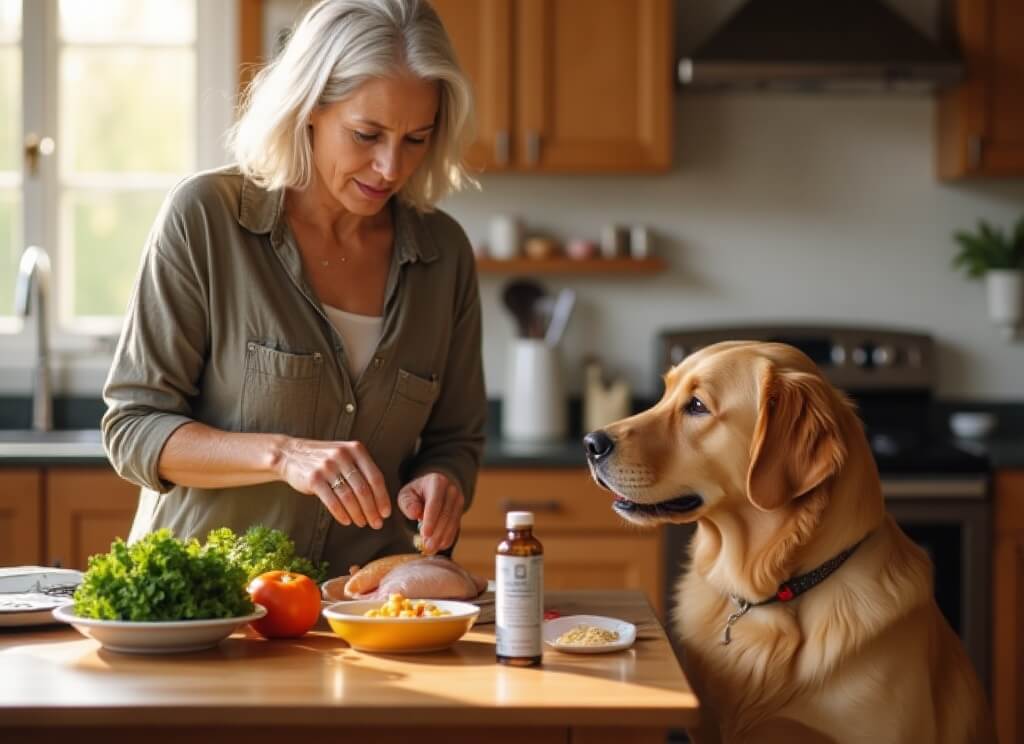
We love our furry, feathery, or scaly companions like family. Naturally, we want to feed them the very best. Seeing the rise in human health-conscious eating, many pet parents are turning away from commercial kibble and cans, opting instead for home-cooked meals. The image of lovingly preparing a fresh chicken-and-veggie stew for Fido or Fluffy is undeniably appealing. But is whipping up meals in your kitchen truly the healthiest choice for your unique critter? Let’s dive into the benefits, the significant risks, and the crucial role of professional guidance.
The Allure: Potential Benefits of Home-Cooked Diets
- Ingredient Control & Transparency: You know exactly what’s going into your pet’s bowl – no mystery meats, questionable by-products, artificial colors, flavors, or preservatives. This is especially valuable for pets with known allergies or sensitivities.
- Palatability & Freshness: Let’s face it, freshly cooked food often smells and tastes more appealing than processed kibble. This can be a game-changer for picky eaters or pets recovering from illness.
- Tailoring to Specific Needs (Under Guidance): For pets with certain medical conditions (like kidney disease, severe allergies, or liver issues), a veterinarian-prescribed home-cooked diet can be a vital part of their treatment plan, allowing precise control over nutrient levels.
- The Bonding Factor: The act of preparing food for your pet can strengthen your bond and provide a sense of fulfillment, knowing you’re directly involved in their care.
The Hidden Dangers: Why “Just Chicken and Rice” Isn’t Enough
This is where the well-intentioned path can take a dangerous turn. Our critters are not tiny humans. Their nutritional requirements are vastly different and incredibly specific.
1. Severe Nutritional Imbalances:
This is the BIGGEST risk. It’s shockingly easy to create a diet that looks healthy but is critically deficient or excessive in essential nutrients:
- Calcium & Phosphorus: Vital for bones, teeth, and cellular function. Getting the ratio wrong (especially common with all-meat diets) can lead to devastating skeletal problems, particularly in growing animals.
- Taurine (Cats): An essential amino acid cats cannot synthesize enough of themselves. Deficiency causes irreversible heart failure (DCM) and blindness. Easily missed in homemade diets.
- Vitamins & Minerals: Deficiencies in vitamins like E, D, B-complex, or minerals like zinc, copper, iodine, and selenium can lead to skin problems, neurological issues, organ dysfunction, and weakened immunity. Excesses can be equally toxic.
- Fatty Acid Balance: Essential fatty acids (like Omega-3s and Omega-6s) are crucial for skin/coat health, inflammation control, and brain function. Homemade diets often get this ratio wrong.
2. Incorrect Macronutrient Ratios:
Too much fat can lead to pancreatitis. Too much protein can strain kidneys, especially in predisposed animals. Too many carbs might not suit obligate carnivores like cats.
3. Contamination Risks:
Handling raw or undercooked ingredients carries risks of Salmonella, E. coli, or other pathogens harmful to both pets and humans in the household.
4. Time, Cost, & Consistency:
Formulating, sourcing, preparing, and storing balanced home-cooked meals is significantly more time-consuming and often more expensive than high-quality commercial food. Consistency in preparation is also vital to maintain balance.
5. The “Dr. Google” Trap:
Countless recipes online, in books, or passed between pet owners are not formulated by nutrition experts and often lack essential nutrients or contain harmful imbalances.
The Golden Rule: When & Why to Consult a Veterinary Nutritionist
You absolutely MUST involve an expert before switching your pet to a home-cooked diet. Here’s why and when:
- Always Consult Before Starting: Never transition based on an internet recipe or well-meaning advice alone.
- Seek a BOARD-CERTIFIED VETERINARY NUTRITIONIST (DACVIM-Nutrition) or a PhD Veterinary Nutritionist: These are specialists with advanced training in animal nutrition. Your regular vet is invaluable, but this is a specialized field.
Crucial Times for Consultation:
- Puppies/Kittens: Growing animals have exceptionally precise nutritional needs; imbalances can cause lifelong deformities.
- Pregnancy/Lactation: Nutrient demands skyrocket.
- Senior Pets: Changing needs for organ support and potential health issues.
- Pets with Chronic Diseases: Kidney disease, liver disease, cancer, diabetes, allergies, heart disease, etc., require very specific nutritional management. A home-cooked diet can be therapeutic but MUST be formulated precisely by a specialist.
- If Your Pet Has Food Allergies/Sensitivities: To ensure the elimination diet is nutritionally complete while avoiding triggers.
What the Nutritionist Does:
- Assesses your pet’s individual needs (species, breed, age, weight, activity level, health status).
- Designs a balanced recipe specifically for YOUR pet.
- Specifies exact ingredients, precise weights (grams/ounces are crucial!), cooking methods, and necessary supplements.
- Provides guidance on safe preparation and storage.
- Recommends follow-up checks, often including blood tests, to monitor health and nutritional status.
If You Choose to Home-Cook (With Expert Guidance!):
- Commit to the Recipe: Follow the formulated recipe exactly. No substitutions or omissions without consulting the nutritionist.
- Precision is Key: Use a digital kitchen scale for accuracy – cups and spoons aren’t reliable enough for nutrients.
- Supplement Faithfully: Include the prescribed supplements in the exact amounts recommended.
- Hygiene Matters: Practice safe food handling to prevent contamination.
- Regular Monitoring: Schedule follow-up visits with your vet and/or nutritionist as recommended for bloodwork and health assessments.

Conclusion: Love Them Wisely
The desire to feed your critter a fresh, home-cooked diet comes from a place of deep love and care. That intention is wonderful! However, love also means ensuring their food provides everything they need to thrive, not just what looks or smells good to us. The potential for serious, even life-threatening, nutritional imbalances in DIY diets is real and significant.
Before you fire up the stove for your pet’s meals, invest in the most crucial ingredient: expert advice. Consult your veterinarian and insist on a referral to a board-certified veterinary nutritionist. They can help you determine if a home-cooked diet is appropriate for your pet and, if so, design a safe, balanced, and truly beneficial plan. Your pet’s health and longevity depend on getting this right. Let’s feed our love with knowledge and science.
FAQs:
1. Can’t I just use a recipe from a pet blog or celebrity vet?
No. Even recipes from well-meaning sources lack customization for your pet’s age, breed, health status, or species-specific needs (e.g., cats need taurine; dogs require precise calcium ratios). Only board-certified veterinary nutritionists can formulate safe, balanced plans.
2. How much does a veterinary nutritionist consultation cost?
Fees range from $200–$500 for a customized recipe and lifelong support. While pricey, it’s far cheaper than treating malnutrition-related illnesses like heart failure or bone deformities (which can cost thousands).
3. Are supplements enough to fix a homemade diet?
Not without expert guidance. Supplements must be type-specific, precisely dosed, and added before cooking (some break down with heat). Over-supplementing can cause toxicity (e.g., vitamin D).
4. My pet loves homemade food! How do I transition safely?
Step-by-step:
- Get a custom recipe from a nutritionist.
- Use a digital kitchen scale (no measuring cups!).
- Transition gradually over 7–10 days.
- Schedule blood tests at 3/6/12 months to monitor for imbalances.
5. Is homemade food better for pets with allergies?
Yes, but only if formulated by a specialist. They’ll create an elimination diet using novel proteins (e.g., venison, duck) and carbs (quinoa, sweet potato) while ensuring no nutrient gaps.
6. Can puppies/kittens eat homemade diets?
Extreme caution! Growing pets need exact calcium-phosphorus ratios. Deficiencies can cause irreversible bone deformities. Always involve a nutritionist.
7. What are signs my pet’s diet is unbalanced?
Watch for:
- Dull coat, hair loss, or flaky skin
- Lethargy or muscle weakness
- Dental issues or fractures
- Digestive problems (vomiting/diarrhea)