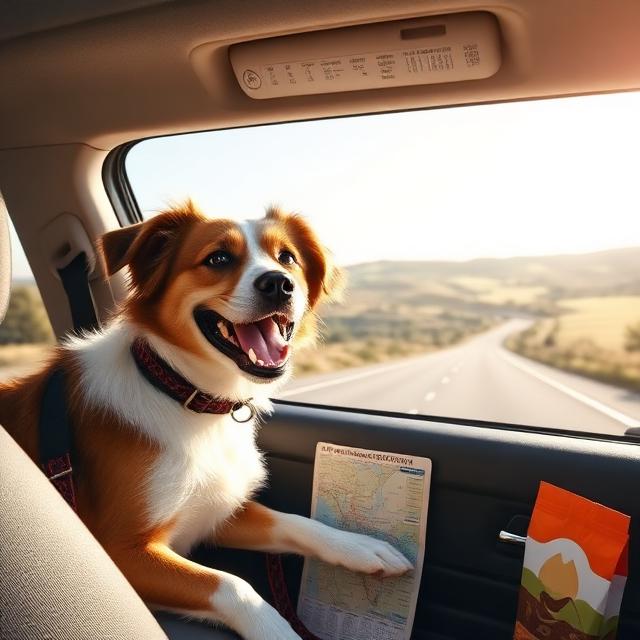
Hitting the open road is a quintessential adventure, but leaving a beloved pet behind can cast a shadow over the excitement. Fortunately, with the rise of pet-centric travel culture, planning a journey that includes your four-legged family member is easier than ever. No more guessing games at hotel check-in or desperate searches for a patch of grass at a rest stop. Modern technology and a little pre-trip strategy empower you to craft a seamless, enjoyable road trip for every passenger—paws included. This guide will walk you through the essential tools, tips, and tricks for mastering pet-friendly route planning.
Why Pet-Specific Planning is Non-Negotiable
Unlike a solo or human-only trip, traveling with pets introduces unique variables. Their need for frequent bathroom breaks, exercise, hydration, and safe environments requires forethought. Spontaneous detours become more complex when you must consider animal welfare. Proactive planning ensures:
- Reduced Stress: For you and your pet. Knowing your next stop is a sure thing minimizes anxiety.
- Safety: Identifying appropriate rest areas prevents risky stops on busy highways.
- Comfort: Securing confirmed pet-friendly accommodations avoids “no pets” disappointments after a long drive.
- Enjoyment: Building in time for dog parks or pet-welcome attractions makes the journey part of the vacation.
Your Digital Toolkit: Apps and Websites for Pet-Friendly Navigation
Gone are the days of relying solely on generic maps. These specialized resources are indispensable for the modern pet traveler.
1. BringFido
The undisputed leader in pet-friendly travel. Think of it as a Yelp for dog owners.
- How to Use: Use the “Road Trip” planner on their website or app. Input your start and end points, and it will map your route while highlighting verified pet-friendly hotels, restaurants, and attractions along the way. Filters for pet size, fee, and amenity (e.g., off-leash area) are invaluable.
- Best For: Finding and booking accommodations, discovering unique dog parks, and reading verified user reviews.
2. GoPetFriendly
A fantastic resource with a robust road trip planning tool and a wealth of blog content on long-distance travel with pets.
- How to Use: Their Trip Planner allows you to set the distance you’re willing to drive between stops. It then automatically calculates the optimal overnight points and helps you locate pet-friendly hotels at each leg. This is perfect for breaking up long journeys scientifically.
- Best For: Planning cross-country trips and finding balanced daily drive segments.
3. Google Maps (with Savvy Layers)
While not pet-specific, Google Maps is a powerful base layer when used strategically.
- How to Use: Before your trip, search along your route for “dog park,” “pet-friendly rest stop,” or “veterinary hospital.” Save these as pins. Use the “Search along route” feature for “pet store” (great for biodegradable bags and supplies) or “pet-friendly café.” Combine this with information from BringFido for a comprehensive view.
- Best For: Real-time navigation, finding last-minute supplies, and visualizing all your saved stops.
4. Apps for Chains & Reservations
- Airbnb/VRBO: Use the “Pets allowed” filter. Always message the host to confirm pet policies and any fees.
- Hotel Chains: Apps like La Quinta, Kimpton, Motel 6, and Red Roof Inn (many of which are famously pet-friendly) allow you to book pet-inclusive rooms directly and often list their specific policy.
Local Focus: A Sample Guide from Austin to Dallas
Let’s apply these tools to a concrete example: the popular 200-mile I-35 trek from Austin to Dallas.
Step 1: The Foundation
Plot your primary route on your preferred map app (I-35 N).
Step 2: Identify Key Break Points
Natural stopping points emerge around the 1-hour to 1.5-hour marks: Waco and Hillsboro.
Step 3: Find Pet-Friendly Stops (Using Your Tools)
- Near Austin (Departure):
- Rest Stop/Exercise: Red Bud Trail in West Austin. A quick pre-departure walk to tire them out.
- Last-Minute Supplies: Tomlinson’s Feed (multiple locations) for high-quality travel snacks.
- Hillsboro Area (~1.5 hrs in):
- Rest Stop: City of Hillsboro Community Park (Google Maps). A quieter, grassy area for a leashed break away from highway rest areas.
- Pet-Friendly Coffee: Use BringFido to check for cafes with outdoor patios in downtown Hillsboro.
- Waco Area (~2 hrs in):
- Major Break: Cameron Park. A massive, beautiful space perfect for a 30-minute walk and picnic.
- Dog Park: Waco Dog Park at Curry Park for off-leash play.
- Pet-Friendly Lunch: Magnolia Market area has several outdoor eateries where dogs are welcome.
- Near Dallas (Destination):
- Final Stretch Stop: Bark Park Central in Dallas, if you need to let your dog unwind before arriving at your final accommodation.
Step 4: Secure Accommodations
Search BringFido or hotel apps in your chosen overnight city (if breaking up the trip) or in Dallas for your destination. Filter by your needs (weight limit, fee).
Daily Life Tips for the Pet Road Warrior
- The Pre-Trip Vet Visit: Secure a health certificate, ensure vaccinations are current, and discuss motion sickness or anxiety solutions.
- The “Go Bag”: Pack a dedicated, easily accessible bag with: leash, collapsible bowls, food/water, a favorite toy, medication, poop bags, a familiar blanket, and a pet first-aid kit.
- Hydration is Key: Offer water at every stop. Never leave a pet in a parked car, even with windows cracked.
- Safety First: Use a crash-tested harness, travel crate, or car barrier. It protects them and prevents driver distraction.
- Document Everything: Have digital and physical copies of vaccination records and a recent photo on your phone.
- Microchip & ID Tag: Ensure your contact info is up-to-date in the microchip registry and on their collar tag.
FAQs
Q: Are highway rest areas safe for pets?
A: They can be useful for quick bathroom breaks, but always keep your pet on a short leash. Be vigilant about traffic, trash, and other animals. For longer, safer exercise, seek out a local park just off the exit.
Q: How often should I stop?
A: A general rule is every 2-3 hours for a 15-20 minute break. Adjust based on your pet’s age, breed, and health. Puppies and senior dogs will need more frequent stops.
Q: What’s the best way to handle a pet who gets anxious in the car?
A: Start with short, positive trips (ending at a park!). Use familiar bedding, pheromone sprays (like Adaptil for dogs), and consult your vet about supplements or other aids. Never sedate your pet without explicit veterinary instruction.
Q: How do I handle hotel pet fees and policies?
A: Always call and confirm after booking online. Clarify: Is it a per-night or per-stay fee? Is there a weight/breed restriction? Are there designated relief areas?
Q: What should I do in case of a veterinary emergency on the road?
A: Before you go, research 24-hour emergency vet clinics along your route and near your destination. Save their numbers in your phone. Apps like VetLocator can also help in a pinch.